Plugging Mushroom Logs: The Ancient Art of Growing Shiitake Mushrooms
There’s something deeply satisfying about growing mushrooms straight from a log. Long before climate-controlled grow rooms and sterilized bags, people cultivated shiitake mushrooms outdoors on freshly cut hardwood logs using one simple method: inoculated wooden dowels.
Today, log cultivation remains one of the most rewarding ways to grow mushrooms at home. It’s low-tech, sustainable, and produces beautiful flushes of mushrooms for years.
Why Grow Shiitake on Logs?
Shiitake mushrooms naturally grow on dead and dying hardwood trees in the wild. By introducing shiitake mycelium into fresh-cut hardwood logs, growers recreate the mushroom’s natural habitat.
Benefits of log cultivation include:
Minimal equipment required
Long-term mushroom production
Richer flavor and texture
Added Vitamin D from the sun
Outdoor, low-maintenance growing
A natural woodland aesthetic
One properly inoculated log can continue producing mushrooms for 3–7 years.
Choosing the Right Logs
Fresh hardwood is critical for success.
Best tree species include:
Oak
Maple
Alder
Ash
Beech
Avoid softwoods like pine or cedar, as their natural resins resist fungal growth.
Ideal Log Size
Most growers use logs that are:
3–8 inches in diameter
3–4 feet long
Logs should be freshly cut and allowed to rest for about 2–3 weeks before inoculation. This gives the tree’s natural antifungal defenses time to weaken while still keeping competing fungi out.
What Are Inoculated Dowels?
Inoculated dowels — often called plug spawn — are small wooden pegs colonized by shiitake mycelium.
If you haven't already you can order these dowels from us just shoot us an e-mail

These dowels are inserted into drilled holes in the log, allowing the mycelium to spread throughout the wood over time.
Plug spawn is popular because it’s:
Beginner-friendly
Clean and easy to handle
Reliable outdoors
Less messy than sawdust spawn
How to Plug Mushroom Logs
Step 1: Drill the Holes
Using a drill with a 3/8th-inch bit, drill holes about 1 inch deep.
Space holes:
About 4-6 inches apart down the log
In staggered rows around the log
The pattern should resemble a diamond shape across the surface.
Step 2: Insert the Dowels
Tap the inoculated dowels into each hole using a hammer or rubber mallet until flush with the bark.


At this stage, the shiitake mycelium begins colonizing the interior of the log.
Step 3: Seal with Wax
Seal every hole with melted cheese wax or food-grade wax.
Wax helps:
Retain moisture
Prevent contamination
Protect the spawn from insects
Many growers also wax the cut ends of the logs in dry climates.
Incubation: The Waiting Period
After inoculation, stack the logs in a shaded, humid area with good airflow.
Popular stacking styles include:
Lean-to
Crib stack
Log cabin stack

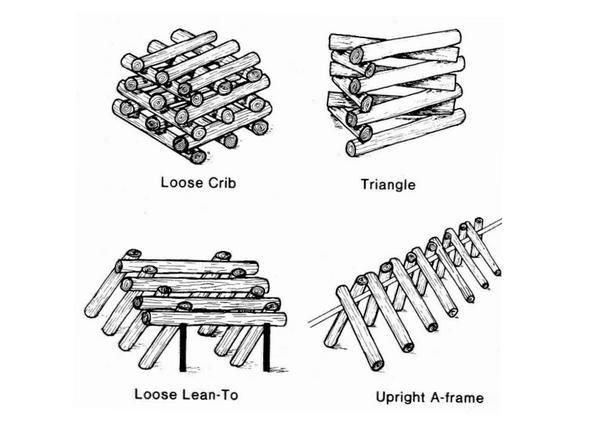
During incubation, the mycelium slowly spreads through the wood. This process typically takes:
12-18 months depending on log size and climate (Oyster may be faster)
Patience is part of the tradition. Shiitake log cultivation is slow farming.
Fruiting Your Logs
Once colonized, logs naturally fruit after rain and cool temperatures. Growers can also force fruiting by soaking logs in cold water for 12–24 hours. A single log may produce multiple flushes each year.
Why This Method Has Endured for Centuries
Modern indoor cultivation can produce mushrooms quickly, but log-grown shiitakes offer something different: connection to the forest, the seasons, and traditional cultivation practices.
There’s a reason this ancient technique is still used today. Watching mushrooms emerge from a hardwood log months after inoculation feels almost magical — and the flavor is worth the wait.
Comments