How to Successfully Grow Wine Cap Mushrooms in Your Garden
Growing mushrooms in your garden can add a unique and rewarding dimension to your outdoor space. Among the many edible varieties, wine cap mushrooms stand out for their rich flavor, ease of cultivation, and ability to thrive in garden beds and wood chips. This guide will walk you through the steps to grow wine cap mushrooms, the garden giants successfully, from preparation to harvest.
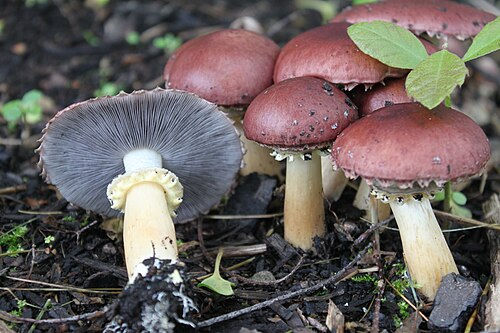
What Are Wine Cap Mushrooms?
Wine cap mushrooms, also known as Stropharia rugosoannulata, are a popular choice for home gardeners. They have a distinctive reddish-brown cap that resembles the color of red wine, which gives them their name. These mushrooms are prized for their nutty, earthy flavor and meaty texture, making them excellent for cooking.
They grow well outdoors in garden beds, especially in wood chips or straw mulch, and can help improve soil health by breaking down organic matter. Wine caps are also known for their resilience and ability to fruit in a variety of climates, making them accessible for many gardeners.
Preparing Your Garden Bed
Successful cultivation starts with choosing the right spot and preparing the bed properly.
Location: Pick a shaded or partially shaded area in your garden. Wine caps prefer indirect sunlight and cooler temperatures.
Soil and Mulch: Use a mix of wood chips, straw, or shredded leaves as a mulch layer. This organic material provides the nutrients the mushrooms need to grow.
Bed Size: Start with a manageable size, such as a 4x4 foot area, to monitor growth easily.
Clear the area of grass and weeds, then spread a 4-6 inch layer of your chosen mulch. Water the bed thoroughly to create a moist environment, which is essential for mushroom growth.
Inoculating the Bed with Wine Cap Spawn
The next step is to introduce the mushroom spawn, which contains the mycelium—the vegetative part of the fungus.
Choosing Spawn: Wine cap spawn is available as sawdust spawn or plug spawn. Sawdust spawn is easier to mix into the mulch.
Application: Spread the spawn evenly over the prepared bed. For better results, mix the spawn into the top 2-3 inches of mulch.
Covering: Add another 2-3 inches of mulch on top to protect the spawn and retain moisture.
Keep the bed moist by watering regularly, especially during dry spells. Avoid overwatering, which can cause the mulch to become soggy and harm the mycelium.
Caring for Your Wine Cap Mushrooms
Patience and consistent care are key to a successful harvest.
Watering: Maintain moisture without flooding the bed. Water when the top inch of mulch feels dry.
Temperature: Wine caps fruit best in temperatures between 55°F and 75°F (13°C to 24°C).
Weed Control: Remove any weeds that compete for nutrients or block airflow.
Protection: Use a light mesh or netting if pests like slugs or birds become a problem. You can spread an ash ring around the bed or OMRI Sluggo to deter slugs.
You may see mycelium spreading as white threads throughout the mulch. This is a good sign that your mushrooms are establishing themselves.
Harvesting Wine Cap Mushrooms
Wine caps typically begin to fruit within 3 to 6 months after inoculation, depending on conditions.
Identifying Mature Mushrooms: Look for caps that are fully expanded but not yet flattened or curled up at the edges.
Harvest Technique: Gently twist and pull the mushroom from the mulch or use a small knife to cut at the base.
Frequency: You can harvest multiple flushes over the growing season as new mushrooms appear.
Freshly picked wine caps have a firm texture and a deep reddish color. Use them soon after harvesting for the best flavor.
Benefits of Growing Wine Cap Mushrooms in Your Garden
Growing wine caps offers several advantages beyond just fresh mushrooms.
Soil Improvement: The mycelium breaks down organic matter, enriching the soil.
Pest Control: Wine caps can help suppress some garden pests by competing for space.
Sustainability: Using garden waste like wood chips as a growing medium recycles materials and reduces waste.
Culinary Delight: Homegrown mushrooms provide a fresh, flavorful ingredient for many dishes.
Troubleshooting Common Issues
If your wine cap mushrooms are slow to appear or not fruiting well, consider these factors:
Moisture Levels: Too dry or too wet conditions can inhibit growth.
Temperature Extremes: Very hot or cold weather may delay fruiting. September is a typical time they will start to appear.
Spawn Quality: Using fresh, high-quality spawn improves success rates.
Mulch Type: Avoid mulch treated with chemicals or from certain tree species like cedar, which can inhibit fungi.
Adjusting these factors can help your mushroom bed thrive.
Comments